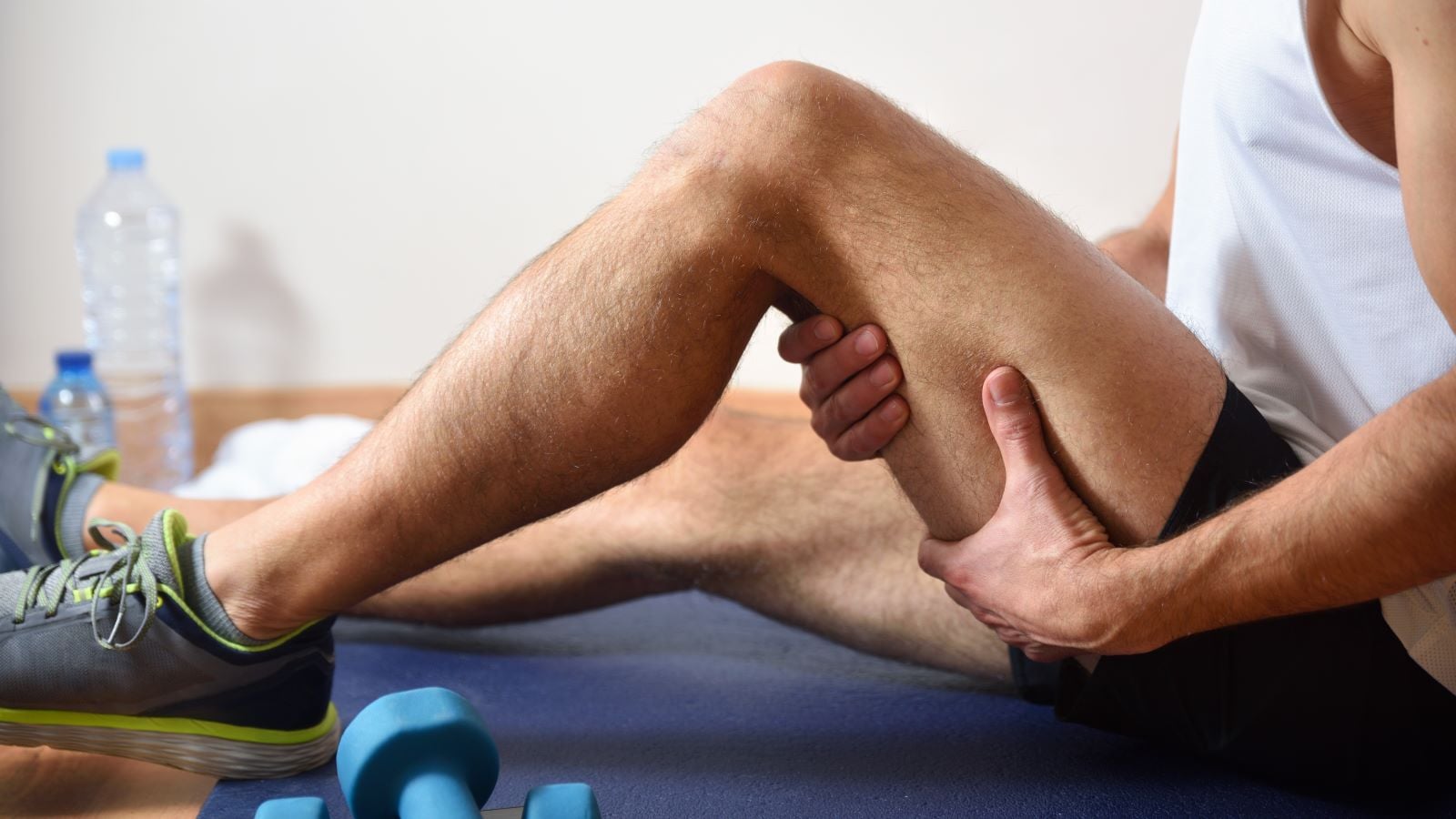
TL;DR: Acupuncture for hamstring pain works by relaxing tight muscle fibers, calming inflamed tendons, and pulling fresh blood into the injured tissue. Most patients feel real improvement inside 3 to 6 sessions, and acute strains often respond even faster. The bigger win is catching the movement patterns that caused the injury, which is why hamstrings are famous for coming back again and again.
Introduction
Acupuncture for hamstring injuries works, and it works faster than most people expect. For a fresh, mild strain, many patients feel meaningful relief inside one or two sessions. For chronic tightness or stubborn high hamstring tendinopathy, we usually see strong progress within 4 to 6 visits. The needle quiets the muscle, inflammation drops, and the tissue gets the blood flow it needs to rebuild.
What most articles skip is the reason hamstrings are famous for reinjuring. The muscle rarely fails on its own. It gets overloaded because the glutes aren’t firing, the pelvis sits tilted forward, or scar tissue from a past strain changed how the fibers handle load. Below, we’ll walk you through how acupuncture actually works on the hamstring, what a realistic timeline looks like, and what we do differently at LycoAcu to keep the injury from coming back.
Why Do Hamstring Injuries Happen So Often?
Hamstring injuries happen because the muscle crosses two joints, handles huge forces during sprinting and kicking, and gets overloaded whenever surrounding muscles like the glutes stop doing their share. Most acute strains happen when the muscle is lengthening under load. Chronic tightness and tendon pain usually come from repeated overuse and faulty movement mechanics.
Your hamstring is really three muscles, not one. The biceps femoris sits on the outside of the back of your thigh, and the semitendinosus and semimembranosus sit on the inside. All three start at your sit bone and run down to just below your knee. Sprinters feel a pop in mid-stride. Soccer players feel it when they kick. Deadlifters feel it at the bottom of a heavy rep. Among the three, the biceps femoris tends to get injured more than the other two because of how it handles deceleration.
Then there’s the slow version, which builds over months. This one shows up as constant tightness, a deep pulling at your sit bone, or soreness that never fully clears after a run. That’s usually tendinopathy, not a true strain, and it needs a different plan.
Does Acupuncture Actually Help With Hamstring Pain?
Yes. Acupuncture reduces hamstring pain by releasing tight muscle fibers, calming irritated tendons, and triggering the release of the body’s own pain-blocking chemicals, including endorphins and enkephalins. Published research has also shown acupuncture can improve hamstring flexibility and shorten recovery time. In clinic, most patients report less pain and better range of motion within the first few visits.
The bigger question isn’t whether acupuncture works. It’s whether your practitioner is treating the actual driver of the pain. A needle placed into a tender spot that isn’t the real source of the problem won’t do much. That’s why we spend your first visit doing a full strength and movement assessment before we place a single needle, so we know which muscles are pulling their weight and which ones are letting your hamstring take the hit.
What Does a Needle Actually Do to the Hamstring Muscle?
When we place a thin needle into a tight spot in your hamstring, three things happen fast. The muscle fibers twitch and then release, local blood vessels open and flood the area with fresh circulation, and nearby nerves signal your brain to release natural pain-blocking chemicals. The end result is less pain, lower muscle tension, and faster tissue repair.
We’re targeting motor points, which are the spots where nerves meet muscle fibers, and trigger points, which are the knotted bands you can actually feel with your hands. When we hit them correctly, the muscle’s resting tension drops, referred pain patterns calm down, and the tissue finally gets the blood flow it needs to heal. This is also how the body rebuilds torn muscle fibers after a strain, and it’s why we often see recovery speed up compared with rest alone.
For deeper or more stubborn spots, we add electrical stimulation directly to the needles. The gentle current pulses the muscle, drives more blood into the injured area, and takes the relaxation effect further than a static needle on its own.
How Many Sessions Will You Need to Feel Better?
Most patients feel a noticeable change after the first visit and a clear turnaround by session three or four. A mild acute strain (Grade 1) often responds in two to three sessions. A Grade 2 strain with partial fiber tearing usually needs 4 to 6 sessions over three to four weeks. High hamstring tendinopathy is the longest of the group and typically runs 6 to 10 sessions over six to eight weeks.
A few factors shift the timeline. How quickly you come in after the injury matters a lot. The first 72 hours are prime time, and we can do more to influence healing then than we can three months later. Your age, activity level, and whether you’re still loading the muscle also move the needle. Athletes who keep training hard through an acute injury tend to heal slower than those who modify load for a short window while we treat the tissue.
Why Hamstrings Keep Getting Reinjured
Hamstring strains have one of the highest reinjury rates of any soft tissue injury in sports. Roughly one in three will come back within a year if the underlying mechanics don’t change. That’s not a needle problem. That’s a load-distribution problem, and it’s the part most treatment plans miss.
Here’s what we look for. Weak or quiet glutes force the hamstrings to do work they weren’t built for. An anterior pelvic tilt, where your pelvis rotates forward, holds the hamstrings in a lengthened position all day and leaves them vulnerable. Old scar tissue from a previous strain stiffens one band of fibers while the rest compensate. The quads on the front of the thigh tell a similar story, and an imbalance between the quads and hamstrings is one of the cleanest predictors of a repeat injury.
We use the EXSTORE assessment system, developed by Dr. Anthony Lombardi, to find which muscles are actually dysfunctional before we treat. If your glute medius is offline, we’ll needle that too. If your hip flexors are yanking your pelvis forward, we’ll release them. This is why our patients tend to stay healed longer than patients treated with a “needle where it hurts” approach.
What a Hamstring-Focused Visit Looks Like at LycoAcu
Your first visit starts with a strength and movement check, not a needle. We test the hamstring itself, the glutes, the hip flexors, the adductors, and often the low back to find the weak links. From there, we’ll combine traditional acupuncture, dry needling straight into the injured hamstring fibers, electrical stimulation when appropriate, and hands-on soft tissue work to break up scar tissue.
For proximal hamstring cases where the pain sits right at the sit bone, stubborn tendon irritation responds to a slightly different needle approach than a mid-belly strain. We’ll pick the mix based on where your pain actually lives and how your body responded to the assessment. You’ll leave every visit with two or three things to do between sessions, because what you do outside the clinic matters as much as what happens on the table.
Getting Your Hamstring Back to Full Speed
A hamstring injury doesn’t have to mean months of cautious training. With the right assessment, the right needle placement, and a plan that addresses why the injury happened, most patients return to full activity well ahead of a tissue-healing-alone timeline. The formula is simple: treat the injury, correct the pattern, reload the tissue.
If you’re dealing with a fresh strain, chronic tightness, or a hamstring that keeps flaring up, LycoAcu can help. Learn more about our sports therapy approach, our orthopedic acupuncture programs, or reach out to book an assessment. The sooner we see it, the faster we can get you moving again.