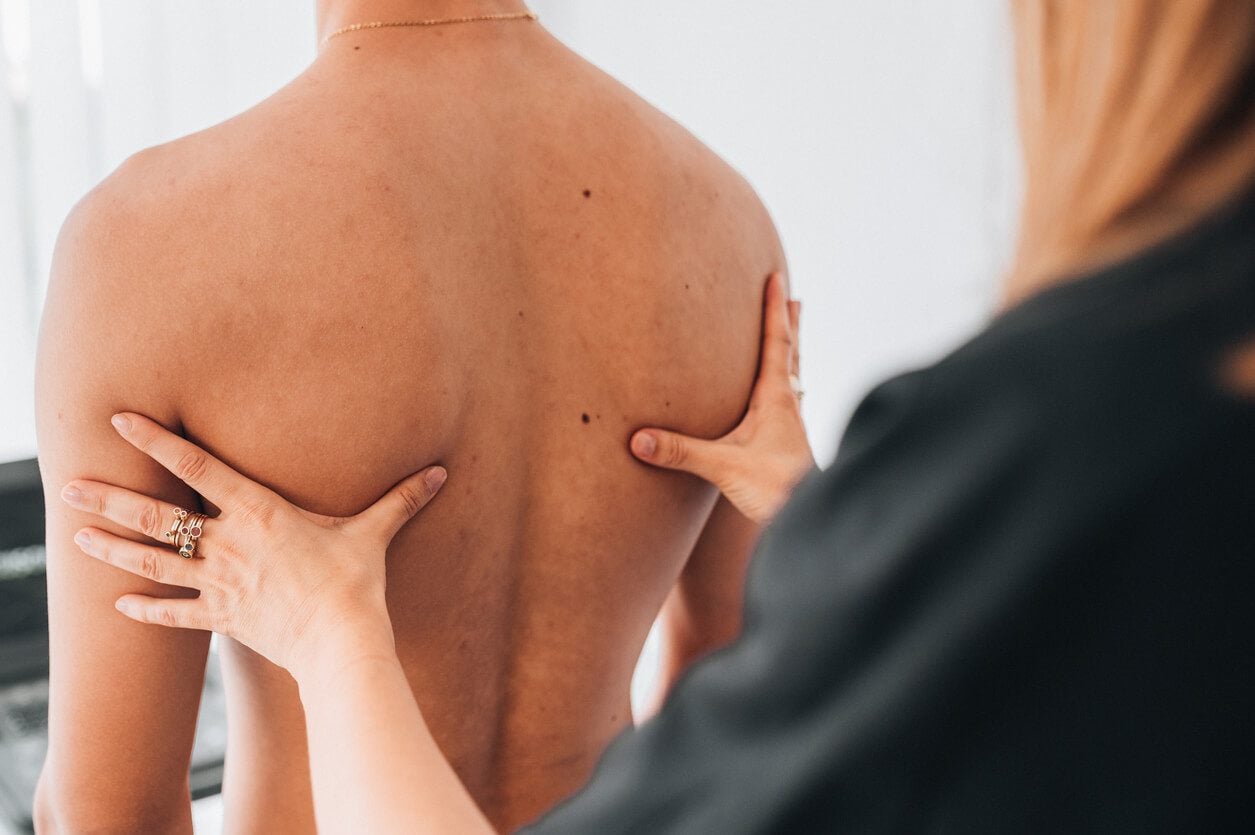
TL;DR: Acupuncture treats levator scapulae pain by releasing trigger points in the muscle, calming the nerves that run through it, and restoring blood flow to tissue that’s been locked tight for weeks or months. Most patients feel a noticeable drop in pain and better neck rotation within three to six sessions. The key is identifying whether other muscles are contributing to the problem, which is why a full assessment matters more than the first needle.
Acupuncture is one of the most effective treatments we use for levator scapulae pain. By targeting the trigger points that form in this muscle and the compensating muscles around it, we can reduce neck stiffness, ease shoulder blade ache, and restore head rotation. Most of our patients notice real improvement within the first few visits.
What you won’t find in most articles about this muscle is how often the levator scapulae takes the blame for a problem it didn’t start. It tightens up because something else stopped working, and until you find that something else, relief from any treatment tends to be temporary. Below, we’ll cover the anatomy, how acupuncture works on it, and what we do differently to make results last.
What Is the Levator Scapulae and Why Does It Hurt So Much?
The levator scapulae is a strap-shaped muscle that runs from the top four vertebrae of your neck (C1 through C4) down to the upper inner corner of your shoulder blade. Its main job is to lift the shoulder blade upward, like when you shrug. It also helps you tilt your head to the side and rotate your neck.
The problem is that this muscle almost never gets a break. Holding your phone to your ear, hiking a bag strap onto your shoulder, working at a desk with your shoulders crept up toward your ears: the levator scapulae is firing through all of it. It’s also one of the first muscles to tighten when you’re stressed. That protective shoulder-hike reflex you do without thinking? That’s your levator scapulae pulling your shoulder blade up to guard your neck.
Over weeks and months of constant tension, the muscle develops trigger points (tight, painful knots that won’t release on their own). These trigger points refer pain along the side of the neck, into the angle where neck meets shoulder, and down the inner border of the shoulder blade. Most patients describe it as a deep, burning ache that gets worse when turning the head.
Does Acupuncture Actually Work for Levator Scapulae Pain?
Yes. Acupuncture releases levator scapulae trigger points by inserting thin needles directly into the tight muscle fibers, producing a twitch response that resets the muscle to its normal resting length. This triggers your body’s release of endorphins and enkephalins (natural pain-blocking chemicals), improves local blood flow, and calms irritated nerves. Most patients feel looser after a single session, with lasting improvement building over three to six visits.
The twitch response is the moment that changes things. When a needle reaches a trigger point, the tight band contracts briefly and then releases. You’ll feel a quick jump that fades within seconds. After that, the muscle relaxes in a way that stretching and massage often can’t achieve, because the needle reached deep fibers that external pressure can’t get to.
Once the trigger point releases, blood flow returns to tissue that’s been compressed and oxygen-starved. Trigger points create a self-reinforcing cycle: tight fibers restrict blood flow, which prevents the muscle from relaxing, which keeps the fibers locked tight. The needle breaks that cycle at the source.
For stubborn cases, we add electroacupuncture to sustain the release response and push more blood into the tissue. A mild electrical current through the needles promotes the release of multiple pain-modulating chemicals at once, giving broader relief than needling alone.
Why Your Levator Scapulae Pain Keeps Coming Back
The levator scapulae rarely tightens up on its own. It gets overloaded because other muscles around the shoulder blade aren’t doing their share.
The most common culprits are the lower trapezius and serratus anterior. These muscles stabilize your shoulder blade from below. When they’re weak or inhibited, the levator scapulae picks up the slack, works overtime, and eventually cramps up.
This is why massage and hot packs give temporary relief but the stiffness returns the next morning. The underlying weakness hasn’t changed.
At our clinic, we start every new patient with a full strength assessment before placing a single needle. We test the muscles around the shoulder blade and upper back to find which ones have shut down. Treating the levator scapulae without fixing what’s loading it is like bailing water without patching the hole.
What Does a Treatment Session Look Like?
After palpating the muscle to find active trigger points, we insert thin, sterile needles directly into each one. You’ll feel a dull ache or brief twitch. The sensation passes in seconds. We may leave needles in for 15 to 20 minutes or attach electroacupuncture leads for deeper stimulation.
We don’t just needle the levator scapulae. Because it works closely with the upper trapezius, rhomboids, and cervical muscles, we treat the entire region. If your neck pain has been building alongside the shoulder blade discomfort, we address both in the same session. We may also use cupping or the Graston Technique to break up fascial adhesions.
How Many Sessions Does It Take?
For a levator scapulae that’s been tight for a few weeks (bad pillow, stressful week at work), two to four sessions usually resolves it. For chronic cases where the muscle has been locked up for months or trigger points keep reforming, we typically see strong progress within four to eight sessions.
We space sessions about a week apart. After each visit, we prescribe specific stretches and corrective exercises to reinforce what the treatment accomplished. If you’ve been dealing with persistent stiffness that limits your ability to turn your head, those home exercises matter just as much as the time on the treatment table.
Common Causes You Might Not Have Considered
The obvious triggers are the ones you already know: hunching at a desk, sleeping on a bad pillow, carrying a heavy bag on one shoulder. But there are a few less obvious causes we see regularly.
Breathing pattern dysfunction. If you’re a chest breather (shoulders rising with each breath instead of your belly expanding), your levator scapulae contracts with every breath. That’s roughly 20,000 extra contractions per day.
Cervical disc problems. When an upper neck disc is bulging or degenerating, the levator scapulae often spasms as a protective response. Treating the muscle alone won’t solve this; we need to address the disc-related inflammation and the compensatory patterns together. Patients with cervical disc involvement often also experience pain radiating into the shoulder that overlaps with levator scapulae symptoms.
Emotional stress. The levator scapulae is wired into your fight-or-flight response. Chronic stress keeps the muscle activated at a low level for hours, producing the same result as physical overuse: trigger points, restricted blood flow, and pain.
How Is This Different From a Regular Neck Massage?
Massage can help, and we’re not against it. But acupuncture does a few things massage can’t.
The levator scapulae sits underneath the upper trapezius for much of its length. A massage therapist has to push through a thick layer of muscle to reach it. A needle passes directly to the target tissue.
There’s also a neurological difference. A needle-induced twitch resets the motor neurons holding the contraction. The muscle relaxes at a level manual pressure rarely achieves. Patients who’ve had months of massage with only temporary relief often get a different result from acupuncture. Many also report that their shoulder blade knots loosen up from the systemic endorphin release.
What to Do Between Sessions
We prescribe specific exercises based on your assessment, but a few principles apply to almost everyone with levator scapulae pain.
Stretch gently by tilting your head forward and toward the opposite side (as if looking into your armpit). Hold for 20 to 30 seconds, two or three times per day.
Strengthen your lower traps with prone Y-raises (lying face down, lifting arms into a Y with thumbs up). Two sets of 10, three times per week.
Check your workstation. Your eyes should be level with the top third of your screen, and your elbows at about 90 degrees with shoulders relaxed.
If stress is your primary trigger, five minutes of daily belly breathing can retrain your nervous system to stop recruiting the levator scapulae with every breath. If you’ve had rotator cuff issues alongside your neck and shoulder blade pain, the same postural corrections apply.
Get Your Levator Scapulae Assessed and Treated
Levator scapulae pain responds quickly to acupuncture when the full picture is addressed. If you’ve been stretching, foam rolling, and getting massages without lasting improvement, the trigger points may be too deep for those approaches, or a strength deficit in the surrounding muscles may be keeping the levator under constant strain.
Schedule an assessment at LycoAcu and let us find out what’s driving the problem. We offer acupuncture and sports therapy services at multiple locations across central and northeastern Pennsylvania, including Williamsport and Wilkes-Barre. Contact us at 570-244-4188 or info@lycoacu.com to book your first visit.