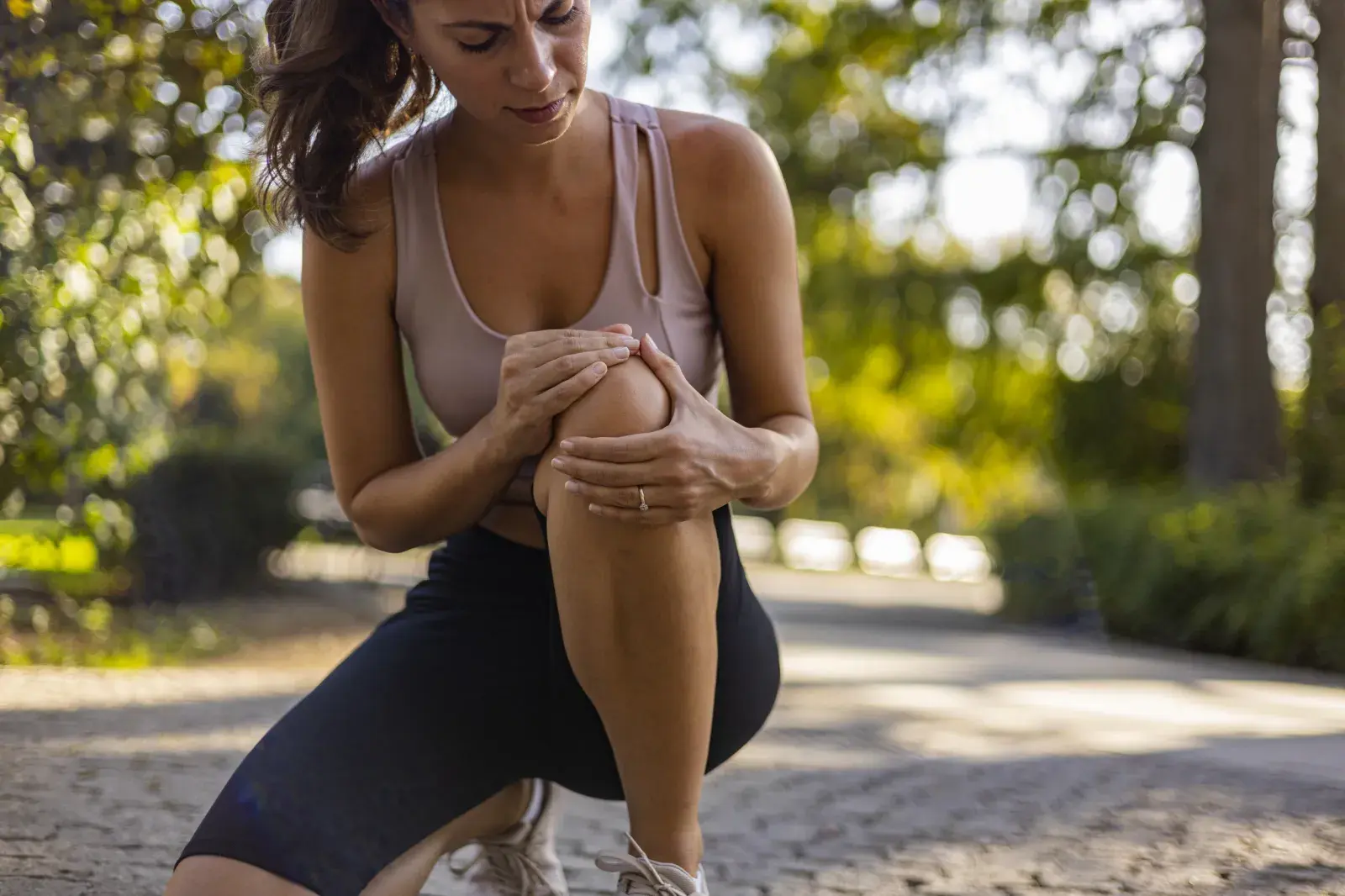
If you’re an athlete dealing with persistent knee pain that worsens with jumping, running, or climbing stairs, you’re not alone. Patellar tendonitis, commonly known as jumper’s knee, affects countless athletes and active individuals, particularly those involved in basketball, volleyball, and running sports. The good news is that we’ve seen remarkable success treating this condition with dry needling, a scientifically-backed technique that targets the root cause of your tendon pain.
Patellar tendonitis develops when the tendon connecting your kneecap to your shinbone becomes irritated and inflamed from repetitive stress. This overuse injury creates tiny tears in the tendon tissue, leading to pain just below the kneecap that can significantly impact your athletic performance and daily activities. While traditional treatments have their place, dry needling has emerged as a particularly effective intervention that can accelerate healing and get you back to your sport faster.
Understanding the Complexity of Patellar Tendonitis
Jumper’s knee isn’t just a simple case of inflammation – it’s a degenerative process that affects the tendon’s structure and function. The condition typically develops gradually, starting with mild discomfort after activity and potentially progressing to constant pain that limits even basic movements. Young athletes between 15 and 30 years old who participate in sports requiring repetitive jumping or landing are especially susceptible, though anyone can develop this condition.
What makes patellar tendonitis particularly challenging is its tendency to become chronic if not properly addressed. The patellar tendon has relatively poor blood supply compared to other tissues, which means it naturally heals slower and is more vulnerable to degeneration. Without appropriate intervention, what starts as occasional discomfort can evolve into persistent pain that sidelines athletes for months or even ends careers. Understanding how dry needling works specifically for tendon issues helps explain why this treatment has become increasingly popular among sports medicine professionals.
The impact extends beyond just the affected tendon – compensatory movement patterns often develop as you unconsciously alter your biomechanics to avoid pain, potentially leading to issues in other areas of your kinetic chain.
The Science Behind Dry Needling for Patellar Tendonitis
When we perform dry needling for patellar tendonitis, we’re doing much more than simply inserting needles into painful areas. The treatment works through multiple physiological mechanisms that directly address the underlying pathology of tendinopathy. By creating controlled microtrauma through repeated fenestration of the degenerative tissue, we disrupt the chronic degenerative process and trigger your body’s natural healing cascade.
The needling stimulates increased blood flow to the poorly vascularized tendon tissue, bringing with it growth factors and healing nutrients that promote collagen remodeling. This process transforms the disorganized, degenerative tendon fibers into healthier, more organized tissue that can better handle the demands of athletic activity. Research has shown that dry needling decreases local pain receptor density and reduces inflammatory markers while simultaneously promoting fibroblastic proliferation – essentially jumpstarting the healing process that had stalled in chronic cases.
Unlike some other injection therapies, dry needling benefits extend beyond just the mechanical effects on the tendon itself. The technique also addresses surrounding muscle dysfunction and trigger points that often develop secondary to the primary tendon issue. Many patients with patellar tendonitis develop tightness and trigger points in their quadriceps, particularly the vastus medialis and lateralis muscles. By treating these areas along with the tendon, we create a more comprehensive healing environment that addresses both the primary pathology and its compensatory effects.
What to Expect During Your Dry Needling Treatment
Your dry needling session for patellar tendonitis begins with a thorough assessment using diagnostic ultrasound to visualize the tendon structure and identify areas of degeneration. We use ultrasound guidance throughout the procedure to ensure precise needle placement within the affected tissue, maximizing treatment effectiveness while minimizing discomfort. This technology allows us to see exactly where the degenerative changes are occurring and target them specifically.
During the procedure, you’ll be positioned comfortably with your knee slightly flexed. After cleaning the area with antiseptic solution, we insert thin, sterile needles directly into the tendon and surrounding trigger points. The needle typically makes 20-30 passes through the degenerative tissue, though this can vary based on the extent of the pathology. While you may feel some pressure or mild discomfort during the procedure, most patients are surprised by how tolerable it is – the needles we use are much thinner than those used for injections or blood draws.
Sore after dry needling is a normal response, and we’ll provide you with specific aftercare instructions. Most patients experience some mild soreness for 24-48 hours following treatment, similar to the feeling after a vigorous workout. We typically recommend avoiding high-impact activities immediately after treatment but encourage gentle movement to promote circulation.
Recovery Timeline and Expected Benefits
One of the most encouraging aspects of dry needling for patellar tendonitis is how quickly many patients begin experiencing relief. Research shows that significant improvements in pain and function can occur within the first three sessions, with some patients reporting noticeable changes even after a single treatment. Studies have demonstrated clinically meaningful improvements in pain scores and functional assessments, with benefits continuing to accumulate over subsequent sessions.
The immediate effects often include reduced pain intensity and improved range of motion, allowing you to begin loading the tendon more effectively during rehabilitation exercises. Over the following weeks, as the tendon remodeling process continues, you’ll likely notice progressive improvements in your ability to perform previously painful activities. Most patients achieve substantial improvement within 4-6 weeks, though complete tendon remodeling can continue for several months.
Long-term outcomes are particularly promising when dry needling is incorporated early in the treatment process. Acupuncture for knee osteoarthritis research provides parallel evidence for the lasting benefits of needling techniques in knee conditions. By addressing the degenerative changes before they become severe, we can often prevent the progression to chronic tendinopathy that might otherwise require more invasive interventions.
Integrating Dry Needling into Your Comprehensive Treatment Plan
While dry needling is highly effective for patellar tendonitis, we achieve the best outcomes when it’s combined with other evidence-based treatments. Following your dry needling sessions, we’ll guide you through a progressive exercise program focusing on eccentric strengthening and load management. These corrective exercise protocols help rebuild tendon strength and resilience while the tissue heals.
We may also incorporate other manual therapy techniques such as soft tissue mobilization to address muscle restrictions and biomechanical factors contributing to tendon overload. Some patients benefit from adjunct treatments like electrostimulation or therapeutic ultrasound to further enhance healing. The key is creating a personalized treatment plan that addresses your specific presentation and athletic demands.
Take the First Step Toward Recovery
Don’t let patellar tendonitis keep you sidelined any longer. At Lycoming Orthopedics & Sports Acupuncture, we specialize in helping athletes and active individuals overcome tendon injuries and return to peak performance. Our comprehensive approach combining dry needling, orthopedic acupuncture, and targeted rehabilitation has helped countless patients achieve lasting relief from jumper’s knee. Contact us today to schedule your assessment and start your journey back to pain-free activity.