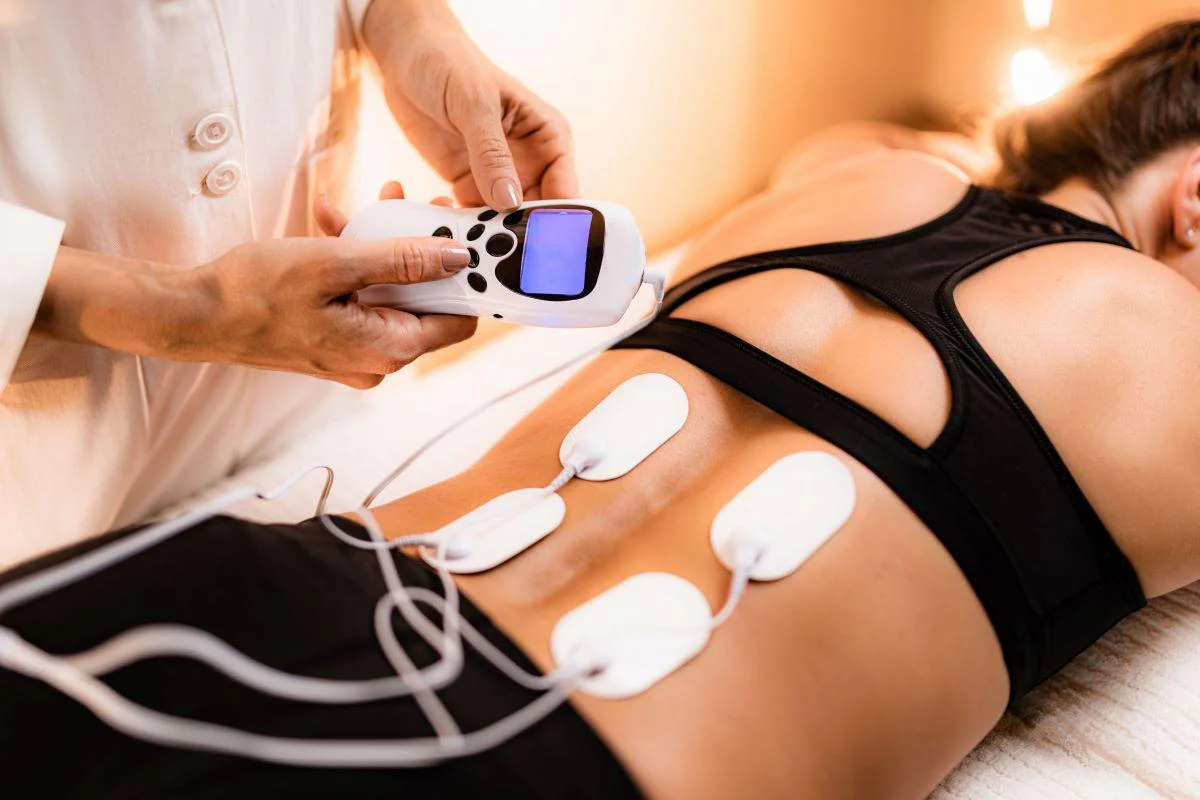
Back pain affects millions of people worldwide and remains one of the most common reasons patients seek treatment. Whether you’re dealing with discomfort from an old injury, muscle strain, or chronic conditions that have persisted for years, finding effective relief can feel like an uphill battle. At our clinic, we’ve seen remarkable results using electrical stimulation as part of a comprehensive treatment approach for back pain. This therapeutic modality offers a non-invasive, drug-free option that addresses pain at its source while promoting genuine healing rather than simply masking symptoms. In this guide, we’ll explain how electrical stimulation works, what conditions it treats most effectively, and what you can expect when incorporating this therapy into your recovery plan.
What Is Electrical Stimulation for Back Pain?
Electrical stimulation therapy, sometimes called neurofunctional acupuncture or electro-acupuncture, involves delivering controlled electrical currents to specific points in the body to reduce pain and restore proper muscle function. Unlike general pain medications that affect your entire system, electrical stimulation targets the precise areas where dysfunction exists, making it an efficient and focused treatment option.
When we use electrical stimulation for back pain at our clinic, we insert thin acupuncture needles at carefully selected motor points—the locations where nerves enter muscles. Once positioned, these needles connect to a device that delivers gentle electrical impulses, creating a comfortable sensation that many patients describe as a rhythmic tapping or mild buzzing. The treatment causes muscles to contract and relax in a controlled manner, essentially retraining them to function properly. This approach represents a significant evolution from traditional methods of managing persistent discomfort, and many patients find substantial improvement where other treatments have failed.
How Electrical Stimulation Works
Understanding the physiological mechanisms behind electrical stimulation helps explain why this therapy proves so effective for many patients suffering from spinal discomfort and related issues. Research has identified several key pathways through which electrical stimulation produces therapeutic effects.
First, electrical stimulation activates sensory nerve fibers that interrupt pain signal transmission to the brain. This mechanism aligns with what scientists call the gate control theory of pain, where non-painful input essentially closes the “gate” to painful signals, preventing them from being fully processed by your nervous system. The result is meaningful pain reduction during and often well after treatment sessions.
Second, electrical stimulation triggers the release of your body’s natural pain-relieving chemicals, including endorphins and enkephalins. These endogenous opioids bind to receptors throughout your nervous system, producing analgesic effects without medication. Studies have documented that participants receiving electrical stimulation therapy experienced significant improvements in resting pain levels and enhanced physical function scores.
Third, and perhaps most importantly for long-term recovery, electrical stimulation improves blood flow to affected tissues and can help restore normal muscle activation patterns. When back muscles become dysfunctional or “inhibited”—meaning they’re not firing correctly—other muscles must compensate, leading to imbalances that perpetuate pain cycles. By targeting these inhibited muscles directly, electrical stimulation helps restore proper function throughout the kinetic chain.
Types of Back Pain That Respond to Electrical Stimulation
Electrical stimulation shows particular promise for treating various back pain conditions, though results naturally vary based on individual circumstances. At our practice, we’ve observed excellent outcomes for patients dealing with chronic non-specific back pain that has persisted beyond three months, muscle tension and spasms in the lumbar and thoracic regions, and discomfort following spinal procedures where rehabilitation is necessary.
Athletes and active individuals often benefit from electrical stimulation when recovering from athletic strains or when addressing postural issues that contribute to recurring problems. The therapy also supports patients managing herniated or bulging disc symptoms, particularly when combined with targeted interventions. Many patients seeking treatment for sciatica-related symptoms have found meaningful improvements through sessions incorporating electrical stimulation alongside other approaches. Additionally, those experiencing stiffness and reduced mobility that limits daily activities often respond favorably to this treatment modality.
What to Expect During Your Electrical Stimulation Treatment
If you’re considering electrical stimulation for your back pain, knowing what to expect can help you feel more comfortable and get the most from your sessions. The process begins with a thorough assessment to identify exactly which muscles are inhibited or dysfunctional. We utilize functional muscle testing similar to what orthopedic physicians perform, allowing us to pinpoint the source of your pain rather than simply treating symptoms.
During treatment, you’ll rest comfortably while thin needles are placed at strategic motor points along your back and associated muscle groups. Once connected to the stimulation device, you’ll feel gentle pulsing sensations as the current flows between needle pairs. Most patients find this surprisingly relaxing, and some even report feeling energized following sessions. Each treatment typically lasts between 20 and 40 minutes, depending on the areas being addressed and your specific treatment plan.
You may notice some immediate changes in how your back feels—reduced tension, improved mobility, or decreased pain intensity. However, the most significant benefits often develop over a series of treatments as your neuromuscular system progressively recalibrates. For patients who experience muscle knots and tension, the combination of needle placement and electrical current proves particularly effective at releasing stubborn areas of tightness that persist despite other interventions.
Key Benefits of Electrical Stimulation for Back Pain
The advantages of incorporating electrical stimulation into your back pain treatment extend beyond simple pain relief. This therapy strengthens weakened muscles by inducing controlled contractions, helping prevent the muscle wasting that often accompanies chronic pain conditions or periods of reduced activity. Stronger back muscles provide better spinal support, creating a foundation for lasting improvement.
Electrical stimulation also enhances your body’s natural healing processes by increasing blood flow and oxygenation to affected tissues. This accelerated circulation delivers nutrients essential for repair while removing metabolic waste products that contribute to inflammation. For patients experiencing nerve-related symptoms, clinical evidence suggests electrical stimulation may support nerve regeneration and improve function over time.
Perhaps most valuable is the therapy’s potential to reduce reliance on pain medications. Research from university studies found that electrical stimulation could offer patients with chronic pain an effective alternative to pharmaceutical approaches, which is particularly important for those concerned about medication side effects or who prefer conservative treatment options before considering more invasive interventions.
Combining Electrical Stimulation with Complementary Treatments
While electrical stimulation delivers significant benefits as a standalone therapy, we often achieve the best results by integrating it within a comprehensive treatment plan tailored to each patient’s needs. Depending on your specific condition, combining electrical stimulation with cupping therapy can address different aspects of muscle dysfunction simultaneously—while electrical currents restore proper nerve-muscle communication, the decompression from cupping enhances circulation and relieves superficial tension.
For patients with deep-seated muscle issues, we may recommend pairing electrical stimulation with soft tissue mobilization techniques like the Graston method to break up scar tissue and adhesions that contribute to chronic pain patterns. Those requiring rehabilitation often benefit from personalized corrective exercise programming that builds upon the neuromuscular improvements achieved through stimulation sessions, ensuring gains translate into functional strength and lasting relief.
Take the First Step Toward Relief
If back pain has been limiting your quality of life, electrical stimulation may offer the breakthrough you’ve been seeking. This evidence-based therapy addresses pain through multiple physiological pathways while promoting genuine healing rather than merely masking discomfort. At Lycoming Orthopedic & Sports Acupuncture, we specialize in helping patients overcome musculoskeletal pain using proven techniques including electrostimulation therapy and comprehensive acupuncture treatments. Our experienced practitioners will create a personalized treatment strategy designed specifically for your condition and goals. Ready to start your journey toward a pain-free life? Contact us today to schedule your consultation and discover how we can help you move better and feel better.